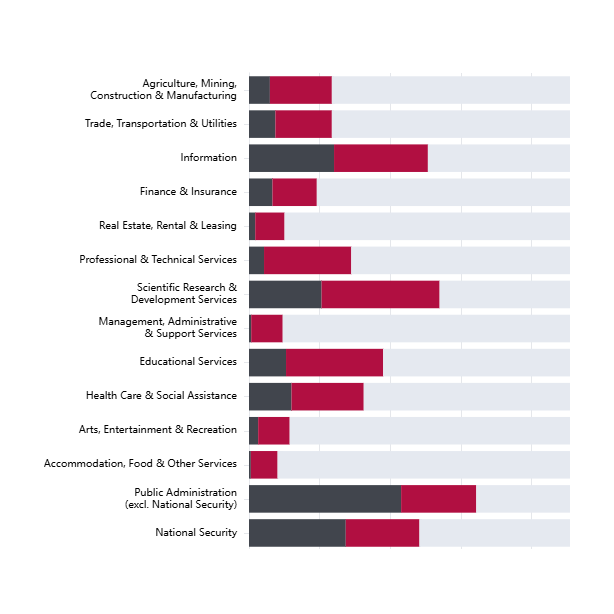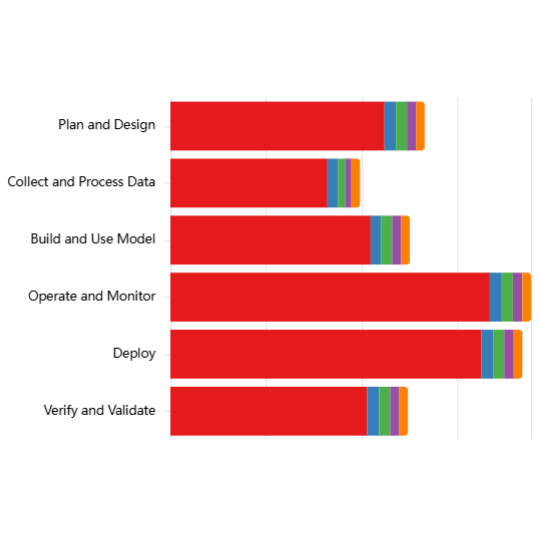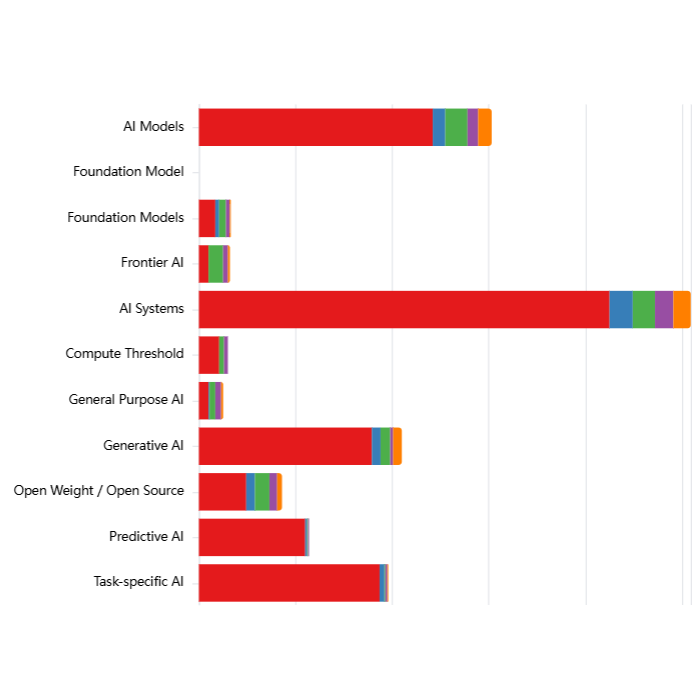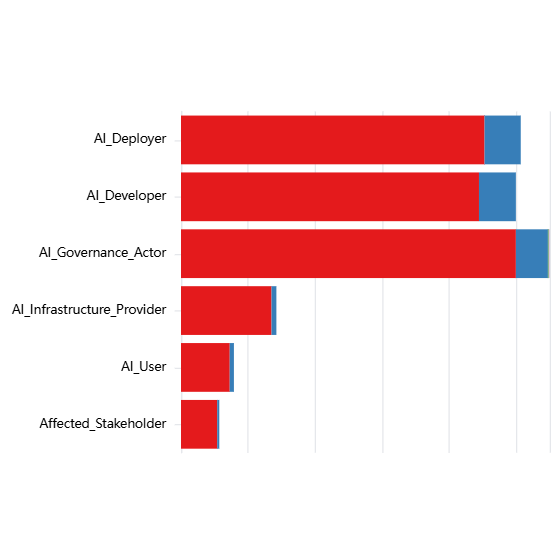
Using an LLM pipeline, we classified each document in CSET Emerging Technology Observatory's AGORA dataset as either:
- Hard Law: Legal obligations binding on the parties involved and can be legally enforced before a court or administrative authorities.
- Soft Law: Non-binding principles, agreements, declarations, guidelines or standards that rely on voluntary adherence or normative pressure.
- Other: Internal corporate policy documents or hybrid, experimental, or emerging governance mechanisms that don't fit traditional hard/soft law categories, e.g., regulatory sandboxes, public–private commitments.
Insights from analysis of Legislative Status:
- The overwhelming majority of documents in the dataset are classified as Hard Law and cover the United States as jurisdiction
- Of the 'Hard Law' documents, in the dataset,only 43% are enacted, with 46% defunct and the remainder proposed.
Interactive Chart
Explore the chart using the dropdown filters, and by clicking on category names (Jurisdiction, Authority, Legislative Status etc) to see distributions within each category or click on the preset example configurations below the chart.
[{ "label": "Legislative status for EU documents only, broken down by Authority", "filters": { "jurisdiction": ["EU"], "stackBy": "authority" } }, { "label": "Legislative status for documents targeting Private sector, broken down by Jurisdiction", "filters": { "appliesTo": ["Private sector"], "stackBy": "jurisdiction" } }
]
Important context for interpreting these results:
The LLM classifications are based on the approximately 1000 documents in the AGORA dataset, which is predominantly composed of U.S.-origin English language government proposed documents, the majority of which are federal-level.
Coverage patterns described therefore reflect the priorities and framing conventions of this particular corpus and should not be taken as representative of the global AI governance landscape. We also found LLM classifications to exhibit some biases including over-attribution of coverage when governance-related language is present. Coverage scores should be taken as indicative of broad patterns rather than precise measurements.